

Industry Guide
How to Choose a Delivery Partner for Your Restaurant
Restaurants have more delivery options than ever — and more ways to make the wrong choice. Here's what to evaluate before committing to a delivery partner.
Running delivery through a third-party platform is easy to start and hard to undo. Once your restaurant appears on DoorDash or Grubhub, customers expect you to be there — and leaving creates friction even if the economics stopped working.
Before you commit to a delivery partner, it helps to understand what you are actually buying, what it costs, and what alternatives exist.
The three delivery models restaurants use
Most restaurants fall into one of three approaches:
Marketplace platforms (DoorDash, Grubhub, Uber Eats) match your restaurant with customers and handle payment and dispatch. You pay a commission — typically 15–30% of the order value — on every order that comes through. You gain visibility on the platform, but you give up margin and control.
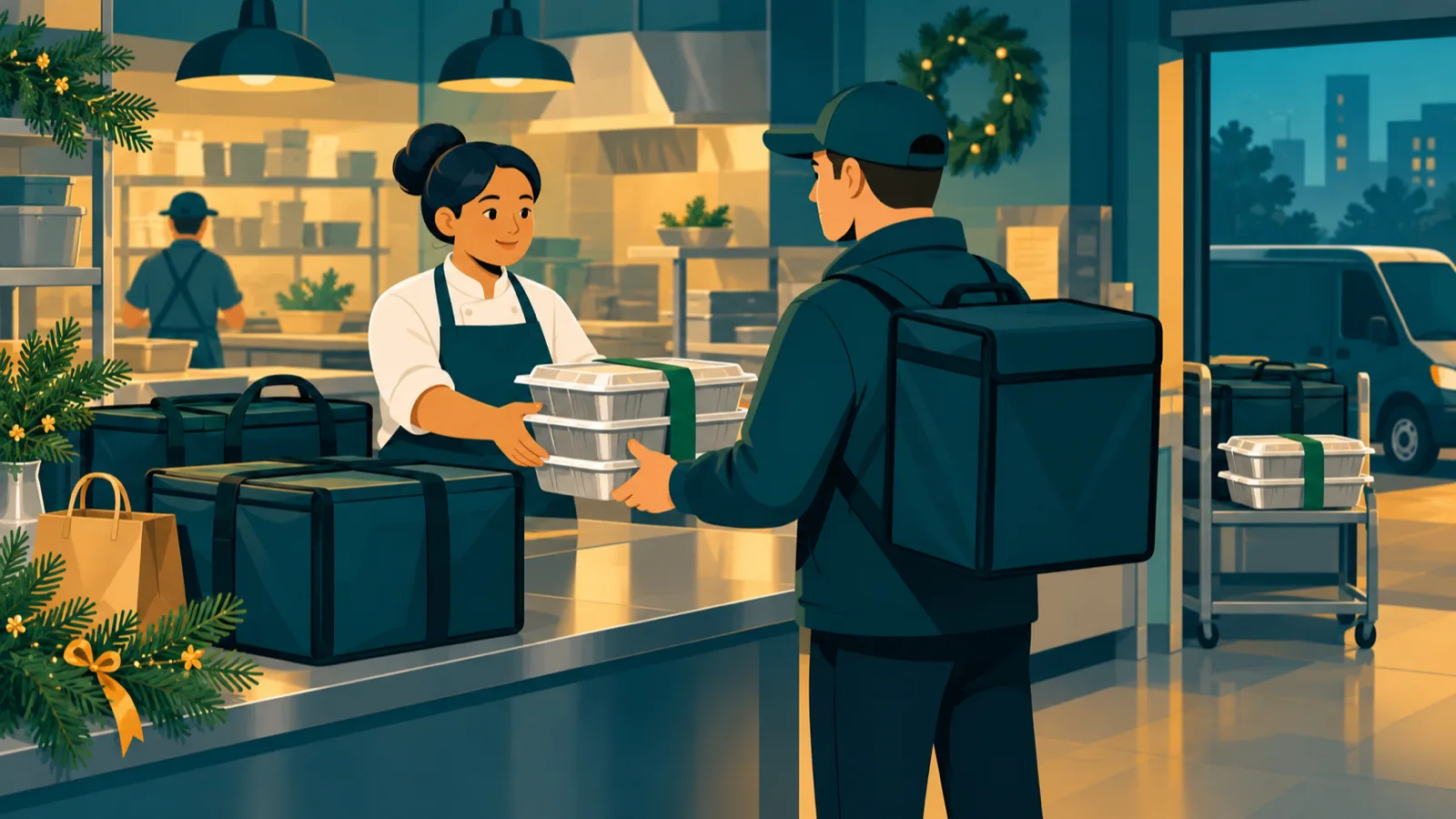
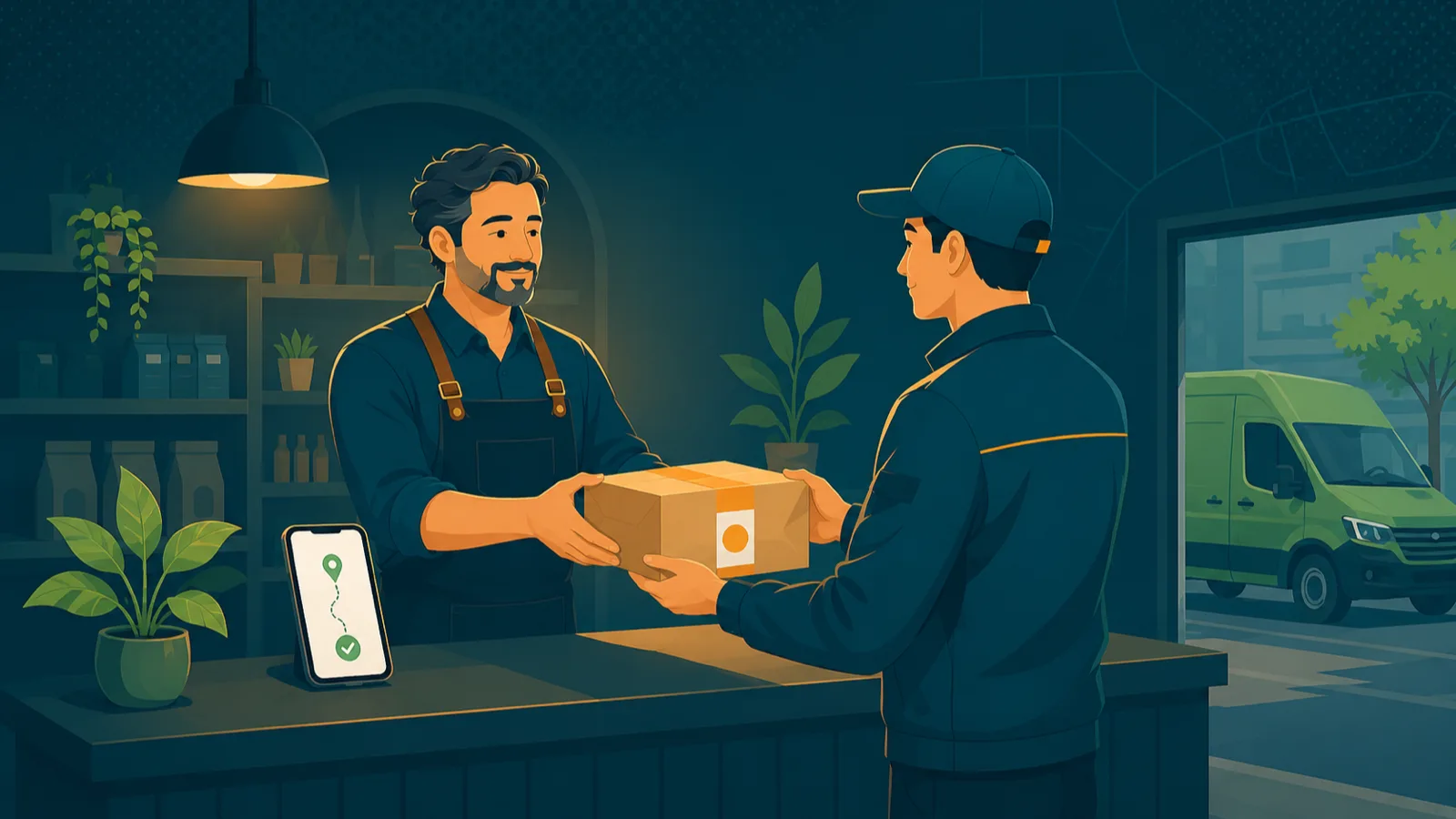
Dedicated delivery services (like UniHop) provide the drivers and logistics infrastructure without listing you on a consumer marketplace. You keep the customer relationship, your branding, and your pricing. You pay per delivery rather than a percentage of the order.
In-house drivers give you full control but come with real costs: employment or contractor administration, vehicle costs or mileage reimbursement, and the challenge of covering demand spikes without overstaffing slow periods.
Most restaurants use some combination. The question is where the right boundary is.
What marketplace commissions actually cost
If your average order is $40 and you are paying a 25% commission, you are paying $10 per order for the delivery and marketing channel. On 100 orders per week, that is $1,000 weekly — roughly $52,000 annually — going to the platform.
That math changes depending on your average order size, your margin, and whether marketplace traffic is truly incremental or is just capturing orders you would have gotten through your own channels anyway.
For restaurants with thin margins — which is most of them — this is worth modeling carefully before assuming marketplace volume is profitable volume.
What to evaluate in a delivery partner
Pricing model: Is it commission on order value, or per-delivery pricing? Per-delivery pricing is easier to forecast and protects your margin on higher-value orders. Commissions scale up as your order values grow.
Who owns the customer relationship: Marketplace platforms own the customer data and can show your competitors in the same search results. A dedicated service lets you send orders from your own website, app, or point-of-sale system with your branding on the tracking page.
Driver availability and coverage: Does the service have reliable coverage in your delivery area? Marketplaces have large driver networks but inconsistent quality. Dedicated services may have more consistent dispatch but vary in geographic coverage.
Order monitoring: When something goes wrong mid-delivery — a driver goes offline, a customer cannot be reached — who handles it? Some services are fully automated. Others have human dispatch teams who can intervene. For catering or high-value orders, the difference matters.
Contracts and minimums: Are you locked in? Can you reduce volume or pause delivery without a penalty? The flexibility to adjust matters more when your volume is seasonal or you are still testing demand.
When a dedicated delivery service makes more sense
A marketplace makes sense when you want to be discoverable to new customers who are browsing the platform. You are paying partly for logistics and partly for marketing.
A dedicated delivery service makes more sense when:
- Your customers already know you and order directly through your website, phone, or POS
- Your order values are high enough that commission percentages add up quickly
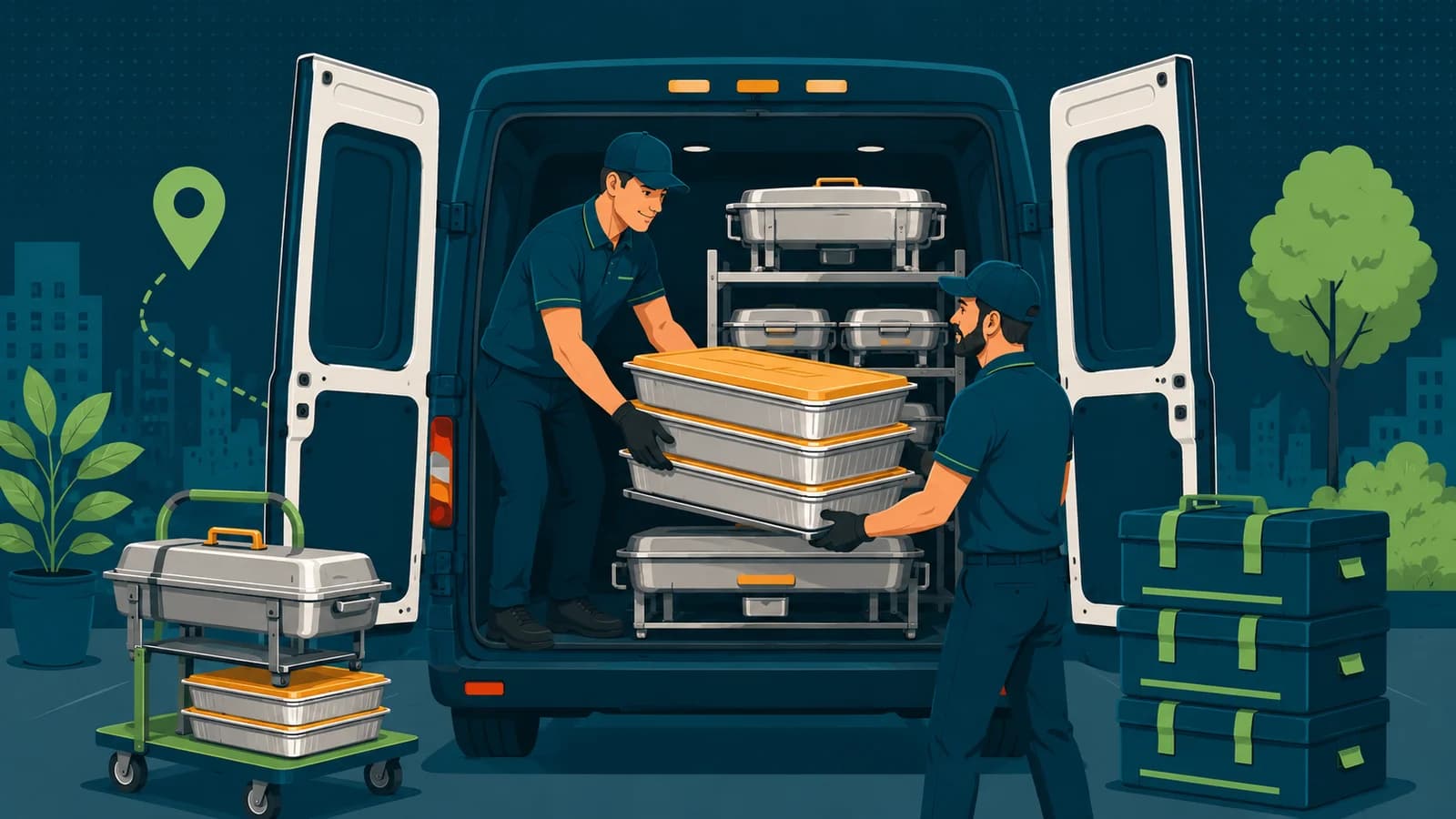
- You run catering, where orders are large, time-specific, and need more careful handling
- You want your branding on the tracking and confirmation experience, not the platform's
- You are tired of handling customer complaints about orders that were placed through a platform you do not control
UniHop's restaurant delivery service is built for this use case: direct delivery without marketplace commissions, with live monitoring and dispatch support. Standard delivery handles everyday orders; Special Handling assigns a dedicated driver for catering runs where a shared-route isn't acceptable.
The in-house driver question
Some restaurants maintain a small in-house driver team for their core delivery zone and use a third-party service for overflow. This hybrid approach gives you control over your most important deliveries while avoiding the fixed cost of staffing for peak demand.
The challenge with in-house drivers is coverage: nights, weekends, sick days, and high-volume periods all create gaps. Building in redundancy is expensive.
If your volume justifies in-house delivery, it may be worth using a dedicated service for the routes that fall outside your team's capacity rather than turning away orders or asking drivers to take on more than they can handle reliably.
A practical checklist before you decide
Before committing to a delivery partner, get answers to these questions:
- What is the per-order cost at your average order value?
- Who owns the customer relationship and data?
- What happens when a delivery goes wrong — who do you call?
- Is there a contract, minimum volume, or cancellation penalty?
- Does the service cover your actual delivery area, not just your city broadly?
- Can you use your own ordering system, or are you required to use theirs?
No delivery partner is perfect for every restaurant. The right choice depends on your order mix, your margins, and how much operational involvement you want to carry.
What you want to avoid is choosing based on the easiest onboarding and discovering the economics six months later.
Need delivery you can count on?
UniHop handles last-mile delivery for local businesses — no contracts, no commissions.
Talk to Sales